In Geelong
Geelong: Matcha and Ceramic Painting Workshop
2 hours
A relaxed beginner class in central Geelong where you learn to whisk matcha and paint a ceramic mug or bowl to take home.
fromA$124
Check availability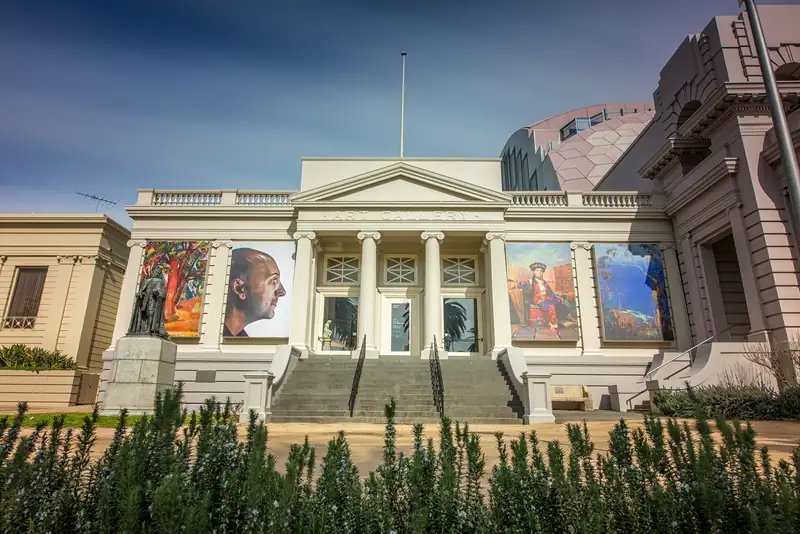
Geelong Gallery is a free public art gallery on Little Malop Street in central Geelong, open daily from 10 am to 5 pm. Founded in 1896, it holds more than 6,000 works and is strongest in colonial painting, with Frederick McCubbin's A bush burial and Eugene von Guerard's View of Geelong. It is 300 m from the station.
Geelong Gallery is free to visit and open every day from 10 am to 5 pm. It is on Little Malop Street in central Geelong, facing Johnstone Park and about 300 m from the railway station. Founded in 1896, it holds more than 6,000 works. Its strength is colonial painting, and two pictures are reason enough to go: Frederick McCubbin’s A bush burial and Eugene von Guerard’s View of Geelong. Give it an hour, more if a big exhibition is on.
| Detail | |
|---|---|
| Address | Little Malop Street, Geelong, beside Johnstone Park |
| Entry | Free (some special exhibitions may charge) |
| Hours | Monday to Sunday, 10 am to 5 pm |
| Closed | Reported closed Christmas Eve, Christmas Day, Boxing Day, New Year’s Day and Good Friday |
| Phone | 03 5229 3645 |
| From Geelong station | About 300 m on foot |
| To the National Wool Museum | About 400 m |
Checked October 2026 on the gallery’s visit page. The closing days come from search listings of the same page, so confirm them around holidays.
The gallery says its facilities are accessible to all and staff will help with any needs.
The gallery’s own collection page names its greatest strength as colonial paintings, and that is where to start.
| Work | Artist | Year |
|---|---|---|
| A bush burial | Frederick McCubbin | 1890 |
| View of Geelong | Eugene von Guerard | 1856 |
| Aborigines met on the road to the diggings | Eugene von Guerard | 1854 |
| The Weatherboard Falls | Eugene von Guerard | 1863 |
| On the Woods Point Road | Louis Buvelot | 1872 |
| Geelong gold cup | Edward Fischer | 1890 |
| Hill End | Russell Drysdale | 1948 |
These are works the gallery names on its collection page. We could not confirm which are hanging right now, so if you are coming for one painting, check ahead.
A bush burial, painted by McCubbin in 1890, is the picture most visitors ask for. Von Guerard’s View of Geelong dates from 1856, five years after gold was found at Ballarat and Geelong became the main port for the goldfields. Look at it before you walk down to the waterfront and you get a sense of how much the town has changed.
Beyond the colonial rooms, the collection takes in English painted porcelain, works on paper, and modern and contemporary Australian art. Since 2016 the gallery has also been custodian of the Colin Holden Print Collection, held for the Colin Holden Charitable Trust.
The gallery was established in 1896, which makes 2026 its 130th year. It calls itself one of Australia’s leading and oldest regional art galleries. For the anniversary it ran Milestones in Collecting, a look at how the collection was built, from 30 May to 18 October 2026. Check the gallery’s exhibitions page for what follows it.
The gallery is one end of Geelong’s cultural block. A few doors along is the Geelong Arts Centre, whose Little Malop Street building reopened on 19 August 2023 after a $140 million redevelopment that added a 550-seat theatre, The Story House, and a smaller one, The Open House. Neos Kosmos called it Australia’s biggest regional arts centre when it opened.
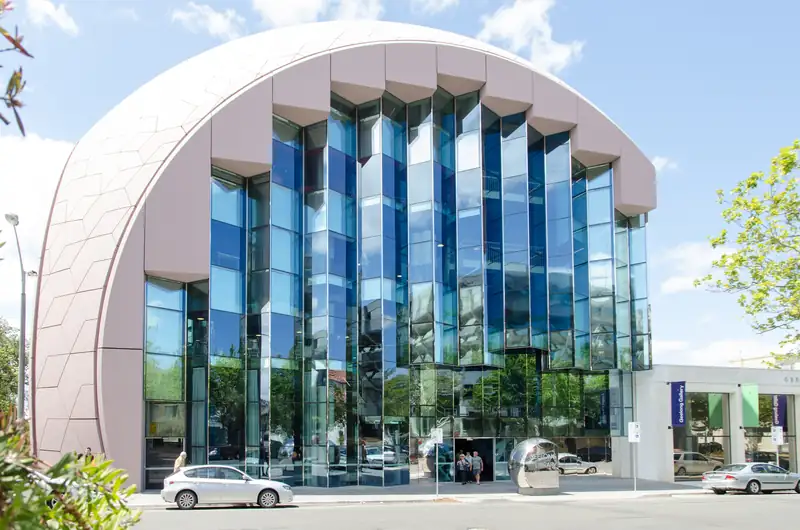
A few steps away is the Geelong Library and Heritage Centre, the domed building known as The Dome, which opened in late 2015. The Heritage Centre on Level 3 has had shorter hours and was reported closed for repairs, so do not count on it being open.
Johnstone Park itself was set aside in 1848 and turned into a park in 1872. Its bandstand dates from 1917. Little Malop Street, running east from the gallery, is the city’s dining strip, with outdoor tables in the laneways.
UNESCO named Geelong a City of Design on 31 October 2017, and the council describes it as Australia’s first and only City of Design. The Geelong Arts Centre’s other building, on Ryrie Street, was redeveloped earlier, in a $38.5 million project finished in 2019. Costa Hall, a separate concert venue of about 1,400 seats, is at Deakin University’s Waterfront Campus. A gallery visit in the afternoon and a show at one of these in the evening is an easy way to spend a day and night in town.
The gallery fits neatly into a walking day:
On a wet day, add a hands-on class: the matcha and ceramic painting workshop runs in central Geelong and sends you home with a mug or bowl you painted yourself. The Old Geelong Gaol is about a kilometre from the gallery if you want another indoor stop. For a full day plan from Melbourne, see the Geelong day trip guide.
The train from Southern Cross in Melbourne takes about an hour, and the gallery is a five-minute walk from Geelong station. The gallery has no car park of its own; it notes a free bus bay on Little Malop Street and various parking options in central Geelong. The Civic Centre car park on Gheringhap Street is close and, according to the National Wool Museum, free after 6 pm on Fridays and all weekend. The Geelong parking guide covers the rest.
The Geelong Visitor Information Centre is in City Hall at 30 Gheringhap Street, open 10 am to 4 pm daily, a short walk from the gallery.
2 hours
A relaxed beginner class in central Geelong where you learn to whisk matcha and paint a ceramic mug or bowl to take home.
fromA$124
Check availability1.5 hours
A guided look round the working Little Creatures brewery in an old 1920s wool mill in South Geelong, finishing with a tasting paddle.
fromA$35
Check availability10 hours
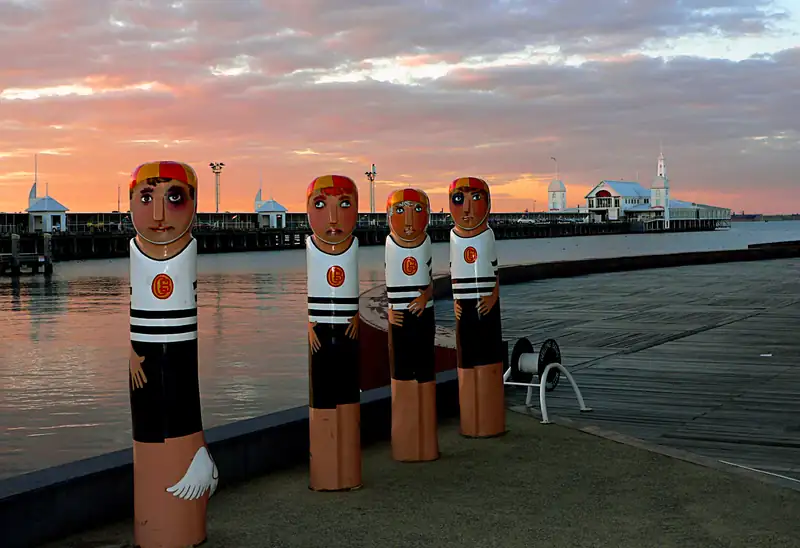
Starts with a walk past the Baywalk Bollards on the Geelong waterfront, then Point Lonsdale lighthouse, lunch in Queenscliff and the car ferry across the bay to Sorrento and the Mornington Peninsula.
fromA$199
Check availabilityPrices and ratings were taken from GetYourGuide and can change. Booking through these links supports this site at no extra cost to you.
Updated
Yes. General entry to Geelong Gallery is free, and the permanent collection is always free to see. The gallery says some special exhibitions may charge, so check the exhibition page before you go if you are coming for a particular show. There is no booking needed for a general visit; you can walk in during opening hours, 10 am to 5 pm daily.
Geelong Gallery opens Monday to Sunday from 10 am to 5 pm, according to its visit page, checked October 2026. It is reported to close on Christmas Eve, Christmas Day, Boxing Day, New Year's Day and Good Friday. Hours can change on public holidays, so check the gallery's website or call 03 5229 3645 before a special trip.
Its colonial paintings, which the gallery calls the greatest strength of its collection of more than 6,000 works. The best known are Frederick McCubbin's A bush burial (1890) and Eugene von Guerard's View of Geelong (1856). The gallery also collects English painted porcelain, works on paper and modern and contemporary Australian art, and has cared for the Colin Holden Print Collection since 2016.
The gallery was established in 1896, so 2026 is its 130th year. It describes itself as one of Australia's leading and oldest regional art galleries. To mark the anniversary it staged Milestones in Collecting, a show on how the collection was built, which ran from 30 May to 18 October 2026, according to search listings of the gallery's program.
The gallery says there are various parking options in central Geelong and has a free bus bay on Little Malop Street, but it does not have its own car park. The Civic Centre car park on Gheringhap Street is close by. If you come by train, the gallery is about 300 m from Geelong railway station, so you can leave the car at home.
The National Wool Museum is at 26 Moorabool Street, Geelong, in an 1872 bluestone wool store one block from the waterfront.
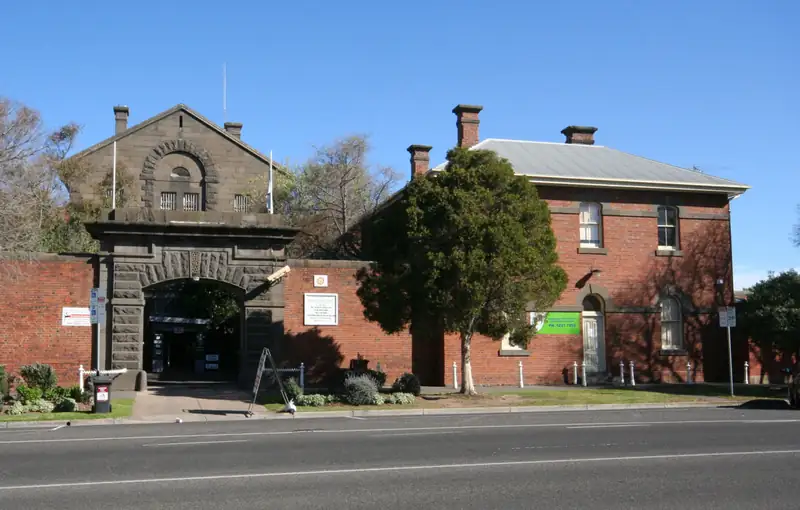
The Old Geelong Gaol is a bluestone prison from the 1850s at 202 Myers Street, now a museum.
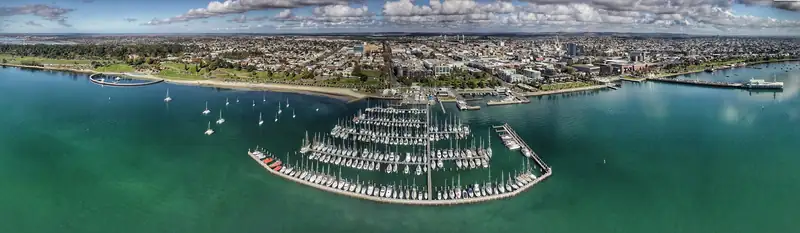
The Geelong Waterfront is the walkable bayfront on Corio Bay, from Rippleside Park past Cunningham Pier and the Carousel to Eastern Beach.
A day trip to Geelong from Melbourne works best by train: V/Line takes about an hour from Southern Cross and runs every 20 minutes.