In Geelong
Geelong: Little Creatures Brewery Tour with Tasting Paddle
1.5 hours
A guided look round the working Little Creatures brewery in an old 1920s wool mill in South Geelong, finishing with a tasting paddle.
fromA$35
Check availability
The National Wool Museum is at 26 Moorabool Street, Geelong, in an 1872 bluestone wool store one block from the waterfront. It is open daily 10 am to 5 pm. Adults pay $13, concession $10, children $8 and families $40 (checked October 2026). Allow about 90 minutes for the wool, farming and Geelong mill stories.
The National Wool Museum is in Geelong’s city centre at 26 Moorabool Street, one block back from the waterfront and about 200 m from the Carousel. It is open every day from 10 am to 5 pm except Christmas Day, Boxing Day and Good Friday. Tickets are $13 for adults, $10 concession, $8 for children and $40 for a family. The museum tells the story of Australian wool, from Wadawurrung Country and sheep farming to the mills that made Geelong an industrial city, inside a bluestone wool store built in 1872.
| Ticket | Price |
|---|---|
| Adult | $13 |
| Concession | $10 |
| Child | $8 |
| Family (2 adults and up to 4 children) | $40 |
| Group, per person | $11 |
| Opening | Detail |
|---|---|
| Days | Seven days a week |
| Hours | 10 am to 5 pm (shop the same) |
| Closed | Christmas Day, Boxing Day, Good Friday |
| Groups | More than 20 people must book ahead |
| Card surcharge | 0.25 percent on card and contactless payments |
Checked October 2026 on the museum’s visitor page (last updated June 2026). The museum is run by the City of Greater Geelong.
The building is step-free from the street, with ramps to every level and accessible toilets on each floor. The Museum Shop is free to enter without a ticket.
Usually, yes. Two adults and two children on single tickets pay $42, so the $40 family ticket already saves $2. With four children the saving is bigger: $58 on single tickets against $40 for the family pass. The museum defines the family ticket as two adults and up to four children, so ask at the desk if your group is made up differently.
The core exhibition is “On the Land: Our Story Retold”, which the museum describes as multi-award-winning. It tells the wool story for a modern visitor: Wadawurrung Country, farming and land management, and the changes the wool industry went through. Temporary exhibitions take up other galleries through the year; past shows include “Made in Geelong: Godfrey Hirst”, on the carpet maker.
The centrepiece is a 1910 Axminster Jacquard carpet loom. The museum says the loom is mechanically sound but “temporarily unavailable for demonstrations” because it needs a particular jute that has become hard to find (page updated July 2026). Staff and volunteers still explain how it works and talk about the Manor House Rug it produced. If seeing the loom run is the reason for your trip, ask the museum before you go.
The National Wool Museum describes itself as the only museum in Australia that comprehensively surveys the history of wool.
The museum’s home is the Dennys Lascelles wool store, a bluestone building completed in 1872. The council’s history dates its opening to 1 August 1872, as the woolstore of CJ Dennys & Co. Wool from the farms of the district was stored here, a block from the bay. The building became the National Wool Museum in 1988.
Wool shaped early Geelong. Squatters had already taken up land around Corio Bay when the town was surveyed and gazetted in 1838, and by 1841 wool was being shipped from Geelong to England. The town became the port for the Western District, the grazing country to the west, and after gold was found at Ballarat in 1851 it was also the main port for the central Victorian goldfields.
Railways added to that role. From the 1860s Geelong was a rail and shipping hub linking Melbourne, Ballarat and the Western District, which earned it the nickname “The Pivot”. Woollen mills opened from the 1860s, and for about a century the city spun and wove wool as well as shipping it. Most of the mills had closed by 1974.
Industry moved on to cars. Ford’s Geelong plant, in operation from 1925, made engines for decades and ended manufacturing in 2016. Today the old wool buildings have new uses: this museum is one, and the Little Creatures brewery in South Geelong is another, inside a 1920s wool mill.
You will see grander titles for Geelong’s wool past online, but we found no official source for any of them. “The Pivot” is the nickname the records support.
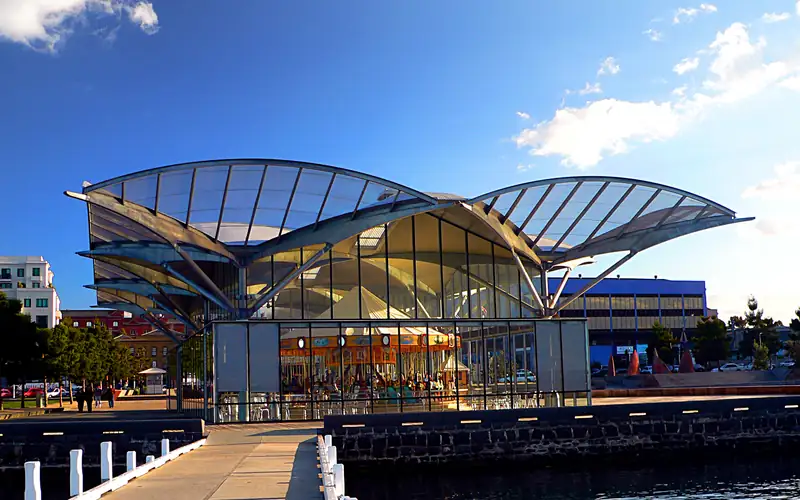
The museum is a good wet-weather stop on a Geelong Waterfront day: the Carousel and the painted bollards are about 200 m away. The Geelong Gallery is about 400 m away in Johnstone Park and free. For another side of the city’s history, the Old Geelong Gaol is about a kilometre to the south-east.
If the wool-mill story appeals, the Little Creatures brewery tour is the easy follow-on: a guided walk around the working brewery in its 1920s South Geelong wool mill, ending with a tasting paddle, for A$35 when we checked GetYourGuide in October 2026.
From Geelong railway station it is about 550 m on foot. By car, the museum says accessible parking is right in front, metered parking is on Moorabool Street, Brougham Street and Eastern Beach Road, and the Civic Centre car park on Gheringhap Street is free after 6 pm on Fridays and all weekend. The Geelong parking guide lists other car parks.
Visitor information has moved out of the museum: many old listings still put the visitor centre at 26 Moorabool Street, but it now operates from City Hall on Gheringhap Street and at the Carousel on the waterfront.
1.5 hours
A guided look round the working Little Creatures brewery in an old 1920s wool mill in South Geelong, finishing with a tasting paddle.
fromA$35
Check availability10 hours
Starts with a walk past the Baywalk Bollards on the Geelong waterfront, then Point Lonsdale lighthouse, lunch in Queenscliff and the car ferry across the bay to Sorrento and the Mornington Peninsula.
fromA$199
Check availability2 hours
A relaxed beginner class in central Geelong where you learn to whisk matcha and paint a ceramic mug or bowl to take home.
fromA$124
Check availabilityPrices and ratings were taken from GetYourGuide and can change. Booking through these links supports this site at no extra cost to you.
Updated
Adults pay $13, concession $10 and children $8. A family ticket for two adults and up to four children is $40, and groups pay $11 each. These are the museum's prices from its visitor page, updated June 2026 and checked October 2026. A 0.25 percent surcharge applies to card and contactless payments, and the shop is free to browse.
The museum is open seven days a week from 10 am to 5 pm, and the shop keeps the same hours. It closes on Christmas Day, Boxing Day and Good Friday. Groups of more than 20 people need to book ahead. These hours come from the museum's visitor page, checked October 2026; check the museum website before a special trip.
Not at the moment. The museum's 1910 Axminster Jacquard carpet loom is its centrepiece, but the museum says it is temporarily unavailable for demonstrations because it needs a particular jute that has become hard to source. The loom is mechanically sound, and staff and volunteers can still explain how it works and the rug it made.
Geelong was the port for the wool of Victoria's Western District from the 1840s, and wool was being shipped to England by 1841. Woollen mills followed from the 1860s. The museum is in the Dennys Lascelles wool store, a bluestone building completed in 1872 where wool was stored, and it opened as a museum in 1988.
About an hour and a half suits most visitors, a little longer if a temporary exhibition is on. The museum is one block from the waterfront and about 200 m from the Carousel, so it fits easily into a day on the bay. It is fully accessible from the street, with ramps to every level and accessible toilets on each floor.
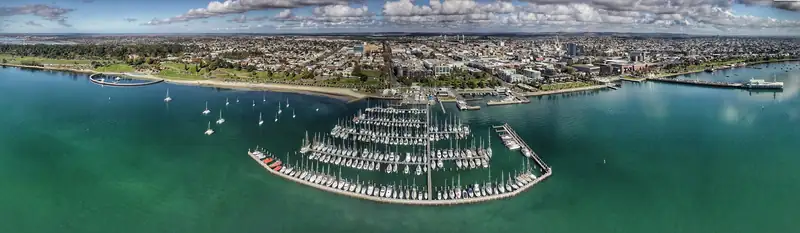
The Geelong Waterfront is the walkable bayfront on Corio Bay, from Rippleside Park past Cunningham Pier and the Carousel to Eastern Beach.
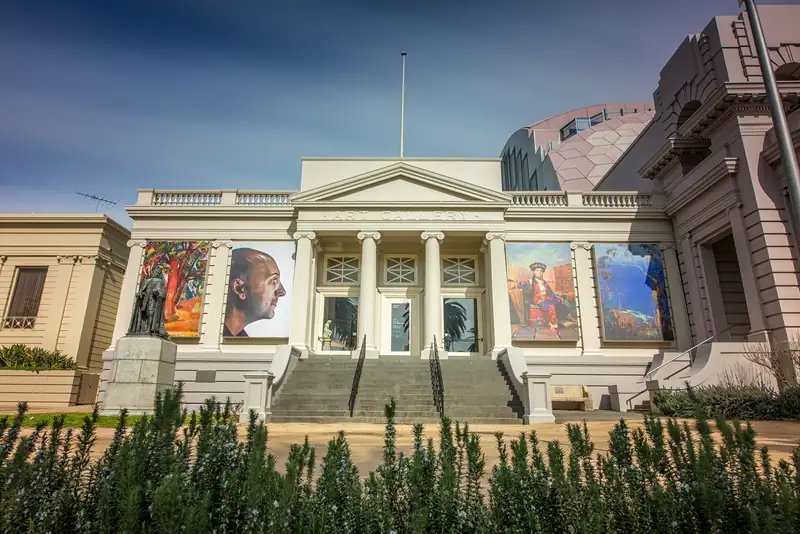
Geelong Gallery is a free public art gallery on Little Malop Street in central Geelong, open daily from 10 am to 5 pm.
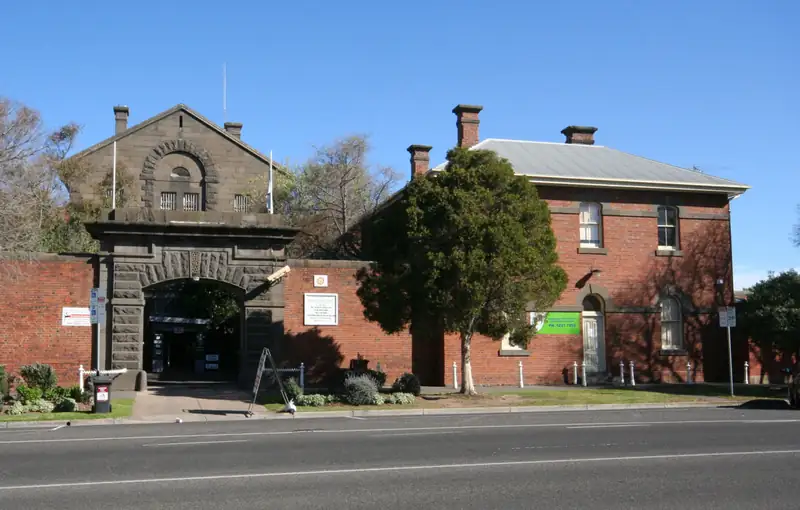
The Old Geelong Gaol is a bluestone prison from the 1850s at 202 Myers Street, now a museum.
Geelong is easy with children.